
Three Reddit Threads on Hating People
Thoughts on the Rising Number of People Who Hate Socializing.
In case you missed it…
Questioning an expensive industry of getting children labeled as geniuses
Support for Harvard’s vote on whether to cap the number of As given
Provoked is for playful, intelligent, discerning readers. If you like what I’m doing and want to support this work, join for free or upgrade with benefits.
I read three Reddit threads about why people hate socializing, because if I was going to stay home and read a book instead of taking up my friend’s invite to join her and her friends for sushi, I wanted to feel like I was studying something. One was in r/intj, one in r/socialskills, one in r/adhdwomen (don’t ask why I was rolling through the last one). All of this occurred while I was finishing Nicholas Epley’s new book
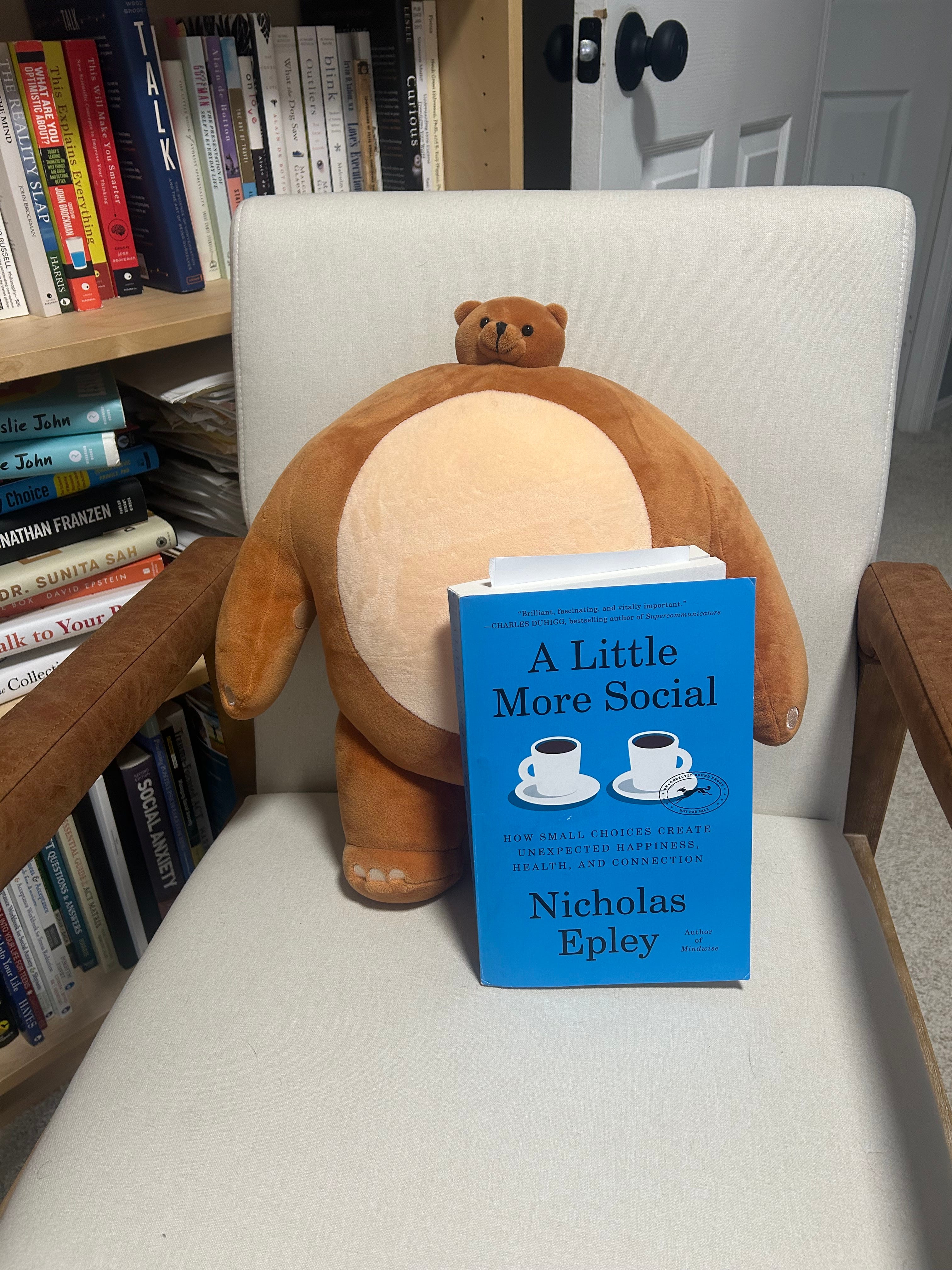
The book is called A Little More Social: How Small Choices Create Unexpected Happiness, Health, and Connection. This issue is here to celebrate it.
The four things Reddit says
The threads make the same arguments for refusing to socialize over and over.
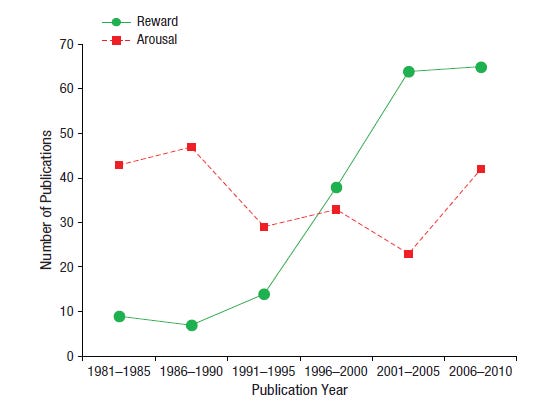
One. The energy ledger. I come home after sharing an acai bowl with one friend and require three hours of solitude and a 5-hour Energy. Some of this makes sense because introversion is a real personality trait (but don’t forget the central feature is how rewarding you find social attention to be), sensory load is real (and humans vary in their thresholds), the day-after-a-socially-active-vacation hangover is common. With this in mind, a strategic decision is often to protect energy over everything else.
Two. The performance tax. I spend the whole dinner managing how I am coming across, replay it after I leave (what is called post-event rumination), and then conclude I cannot afford to do that again. This shows up often in the adhdwomen thread. The strategy the writer chooses is an attempt to be socially invisible.

Three. The diminishing returns argument. I used to love this and somewhere around 32 the risk-reward ratio flattened. The r/socialskills thread is the saddest one because of this. People describing a younger self who threw parties, and a current self who cannot remember the last time laughing uncontrollably at dinner. The reasons they give are reasonable. Kids. Careers. Really bad adult storytellers.
Four. Woe is me. Nobody really cares anyway. It is not like they would notice if I cancelled. This is the explanation that many people give for not voting in presidential elections and apparently for ignoring the invites from close friends.
The meta-pattern in all three threads is that people are running an asymmetric calculation. The costs of showing up (energy, performance, awkwardness, mental rewinds on the drive home) are vivid. The benefits (warmth, mood repair, deepening intimacy, sleeping better) is discounted. The costs of bailing (the slow erosion of a friendship) is rarely calculated, which might explain the appeal of this article:

Consider all of this to be a mental forecasting problem and not, as many bestselling books presume, a personality problem. And this brings us to a few incredibly profound, insights from Nick Epley’s lab. Something far more original than the ubiquitous 75-year Harvard study showing that the key to happiness is love. Remember, the most interesting studies are rarely the most popular studies (because they are usually more sophisticated).